


 简体中文
简体中文Many people easily confuse these two, and while they look similar, in a barbershop, their functions are like the difference between "rough cutting" and "fine sculpting."
Content
Here are the main differences between hair clippers and trimmers:
1. Purpose: Large areas vs. Small details
This is their most fundamental difference.
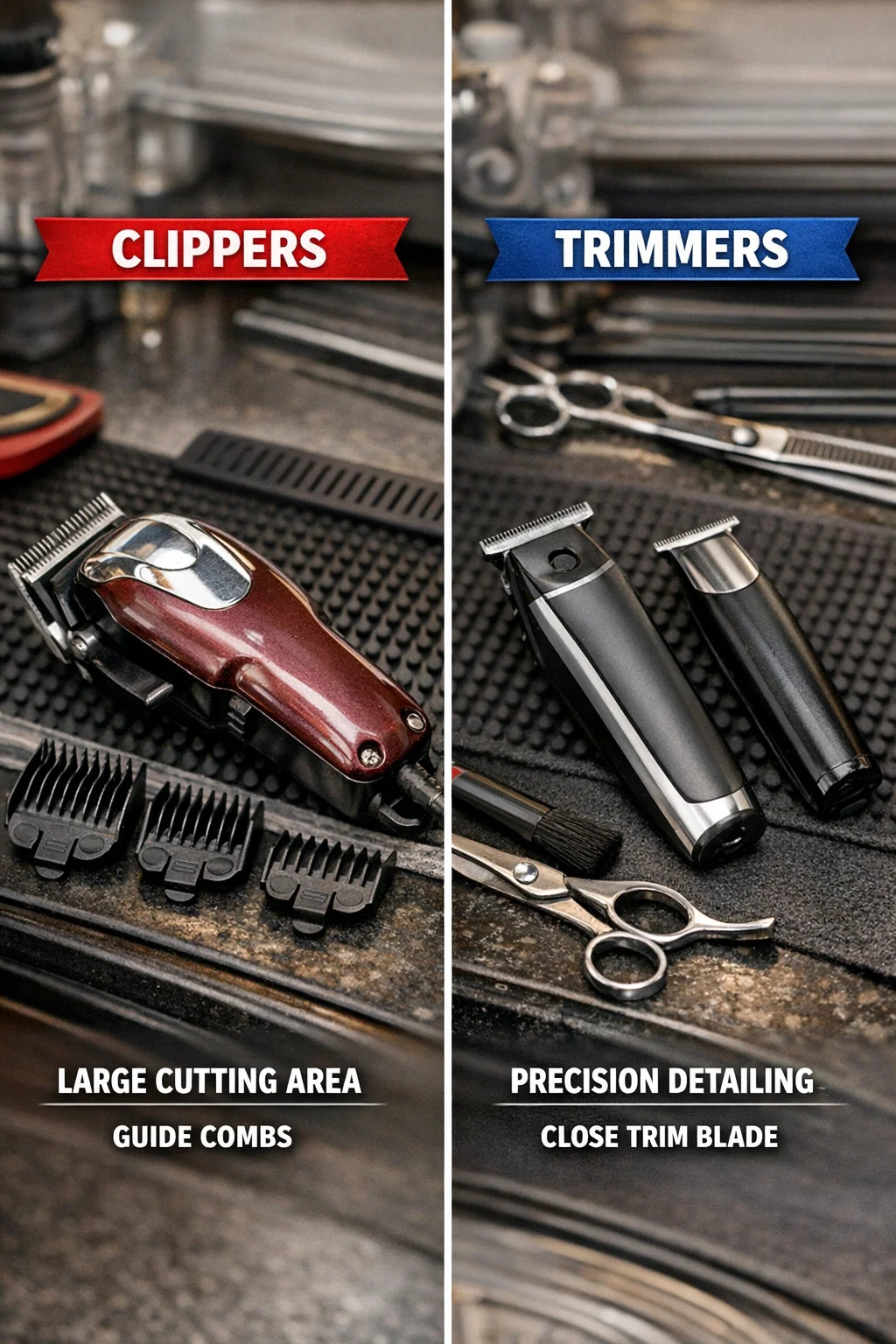
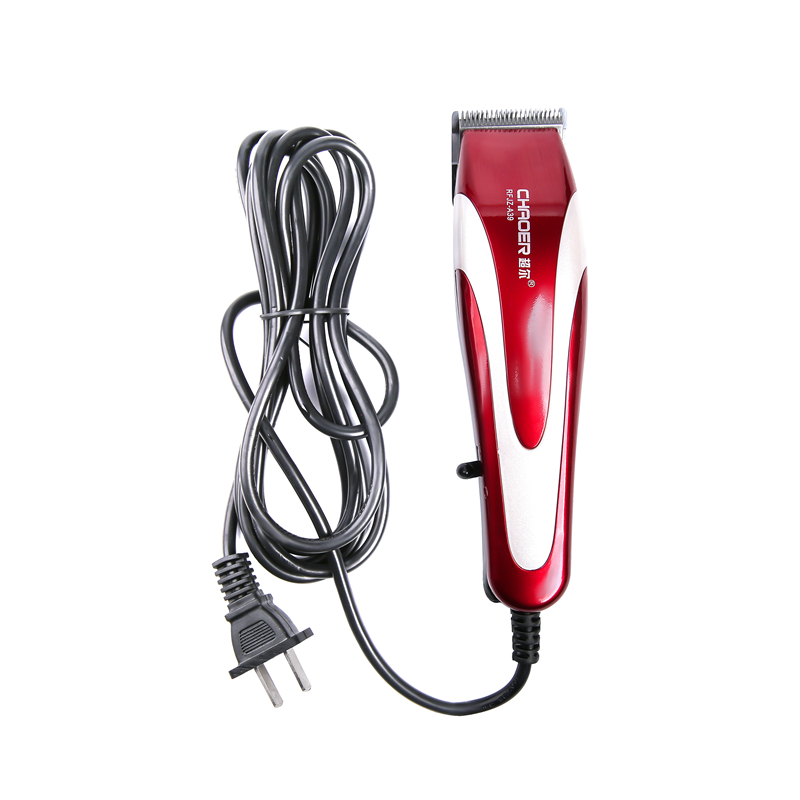
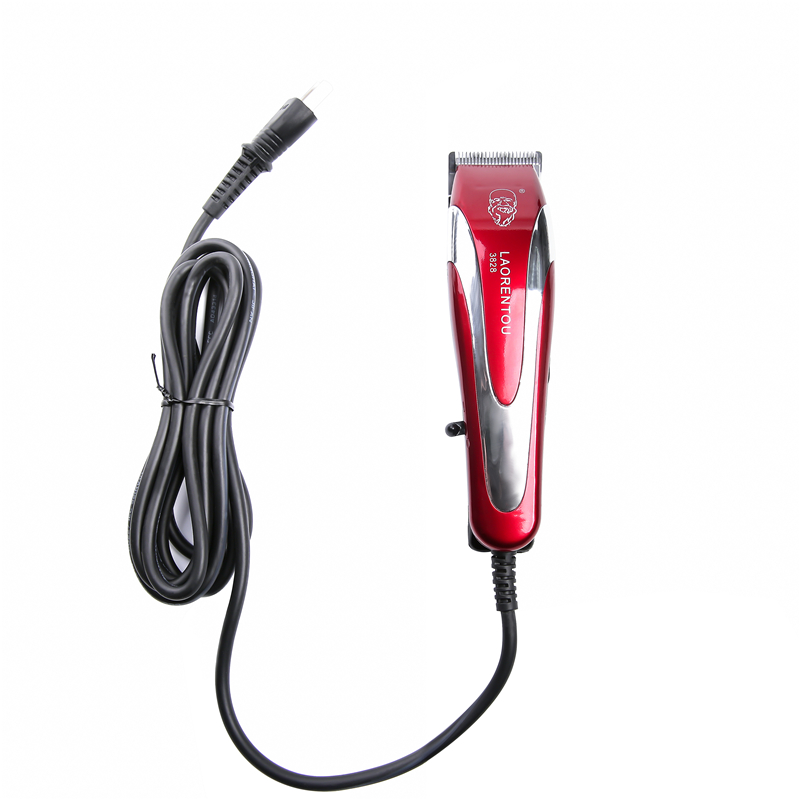
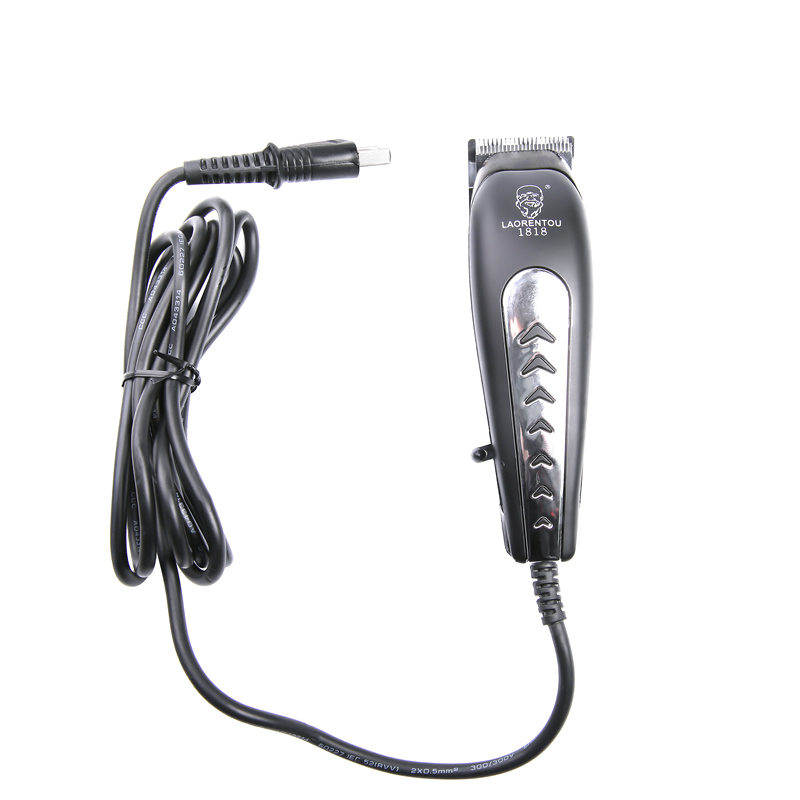
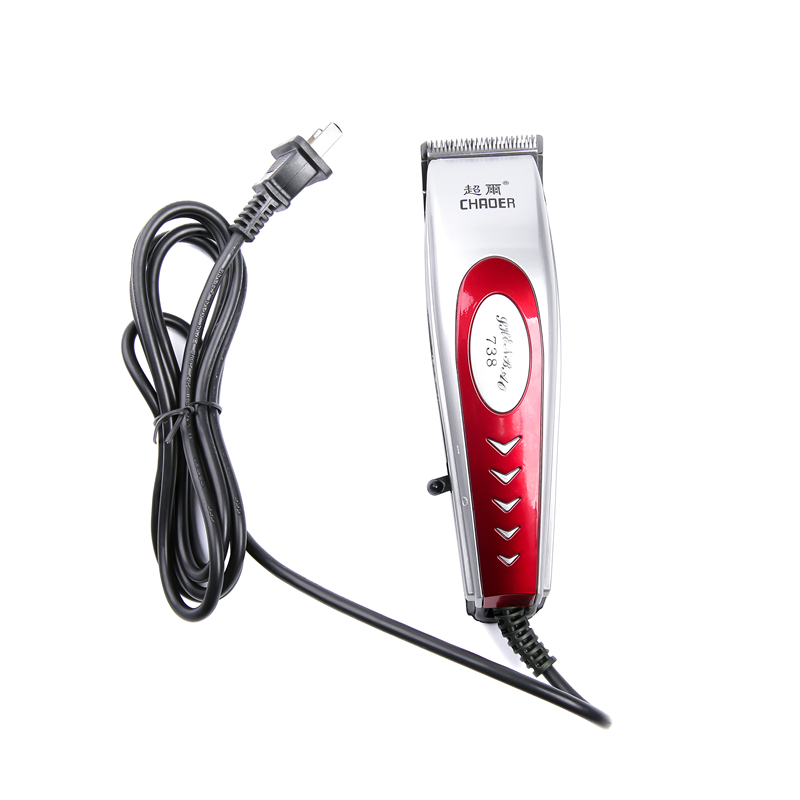
Hair clippers: They are used for "cutting hair." When your hair is long and thick and you want to shorten it over a large area, you must use them. They can handle most haircutting tasks, such as cutting long hair into a buzz cut or creating an overall style.
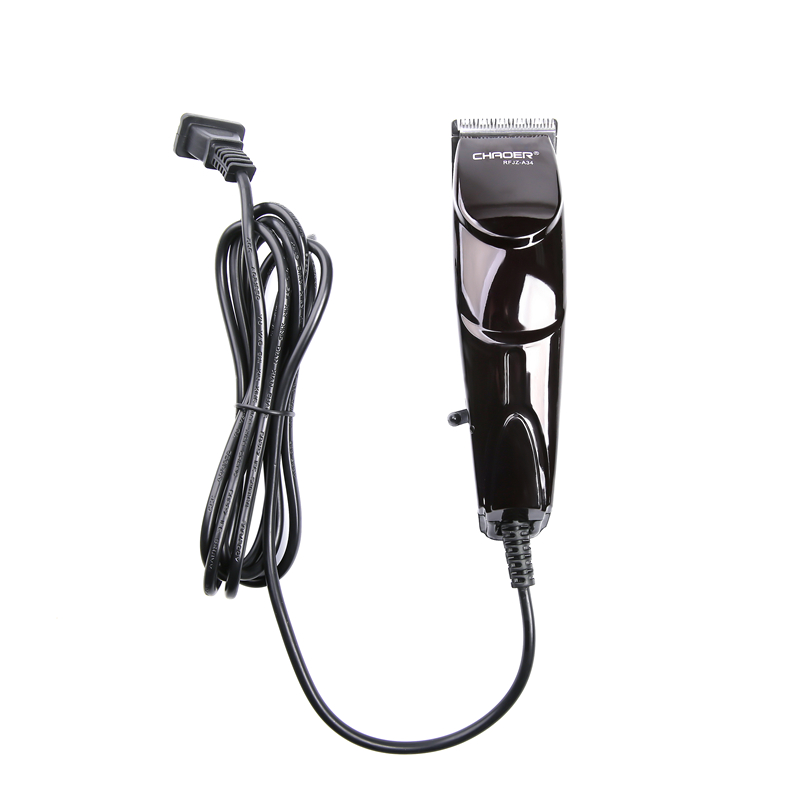
Trimmers: They are used for "finishing." They are smaller and specifically designed for dealing with hairlines, sideburns, behind the ears, or beard contours. If hair clippers are like a large brush for painting walls, trimmers are like a fine brush for drawing delicate lines.
2. Blades and Length: Safe distance vs. Close to the skin
The length of hair they cut is significantly different.
Hair clippers: Their blades are larger and usually come with many "guide combs" of varying lengths. Their design is not intended to be close to the skin, but rather to allow you to evenly cut hair to 3mm, 6mm, or even longer lengths.
Trimmers: Their blades are very fine and flat. Their design is intended to get as close to the skin as possible. While they can't shave as closely as a razor, they can create that "stubble" look, making the edges of the hairstyle look very sharp and clean.
3. Power and Size: Large and powerful vs. Small and agile
Hair clippers: They are larger and feel substantial in the hand. The motor is very powerful, specifically designed to handle thick, coarse hair, and is less likely to snag hair.
Trimmers: They are usually lighter and very flexible for one-handed operation, making it easy to maneuver around the ears or trim lines on the back of the head. While their power is also good, they would struggle if used to cut a full head of thick hair.